The science behind Renuva
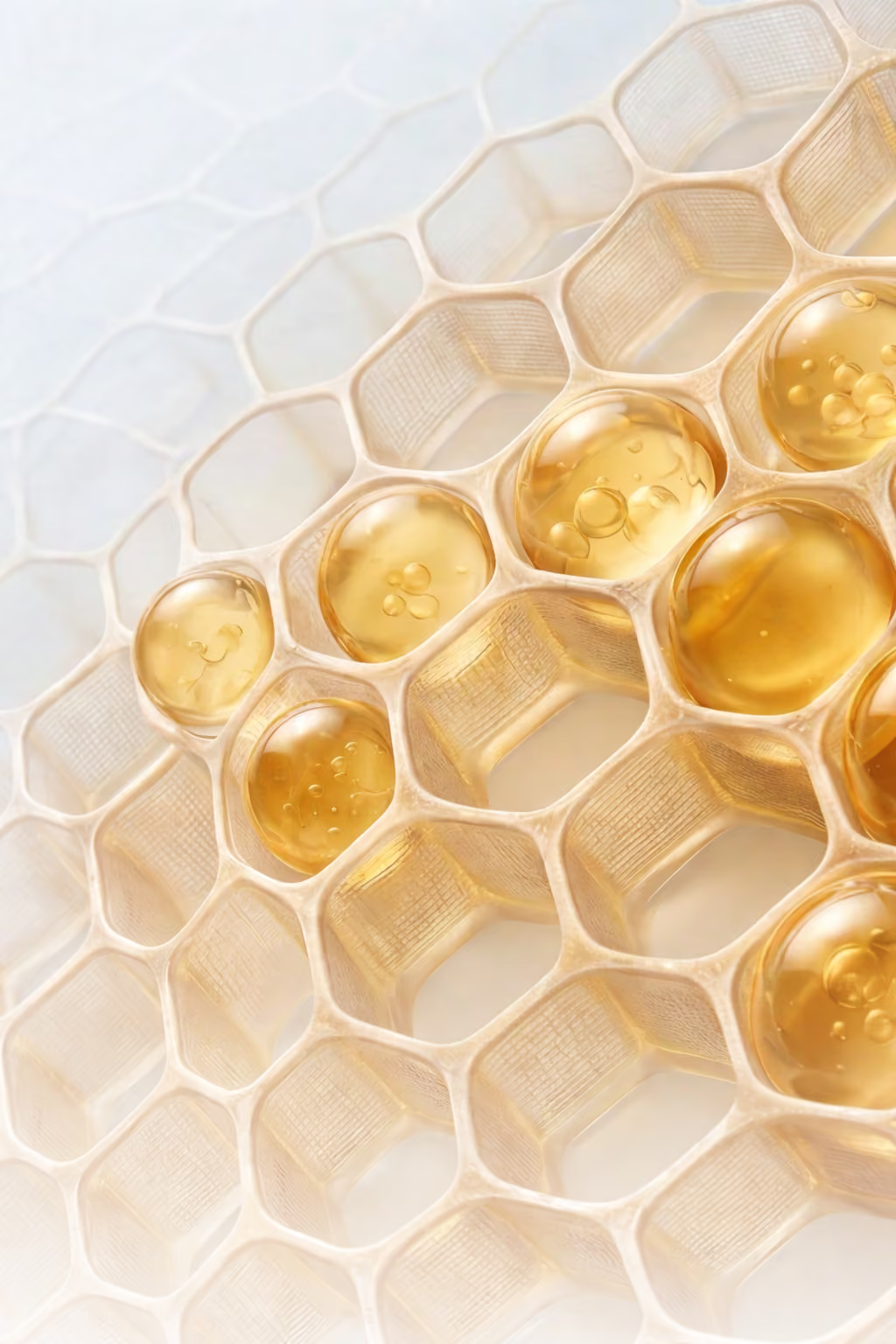
A first-of-its-kind adipose allograft, composed of 100% extracellular matrix, gradually replaced by the patient's own fat, typically over 3 to 6 months.¹

Meet the 100% extracellular matrix

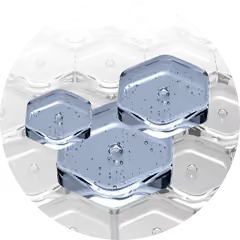
Renuva is an adipose allograft composed entirely of extracellular matrix, processed to remove lipids, cells, and DNA while preserving native ECM architecture.¹˒²
Composition¹˒²

• Collagens IV, VI, I, III

• Glycosaminoglycans (GAGs)

• Hyaluronic acid

• Growth factors: EGF, FGF-2, VEGF, IGF-1

• Adiponectin, leptin, angiopoietin-2

Processed to Remove¹˒²

• Donor adipocytes

• Free lipids

• Cells

• DNA

Precision Meets Practicality¹˒²

• Uniform consistency suitable for precision delivery

• Not frozen or refrigerated

• Maximum 15-month shelf life

• Quick, easy preparation

The restoration process

Renuva is gradually replaced by the patient’s own fat tissue over time.¹˒³ The timeline below illustrates the body’s natural restoration process.

3 Weeks³

New fat tissue begins forming at the edges of the matrix.

12 Weeks³

New fat tissue continues forming throughout the matrix.

3 to 6 Months, Typically¹

The body has gradually replaced Renuva with the patient's own fat.

Up to 8 Years4

A 2024 single-patient case study documented evidence of soft tissue augmentation persisting up to 8 years after treatment.

The experts in tissue processing

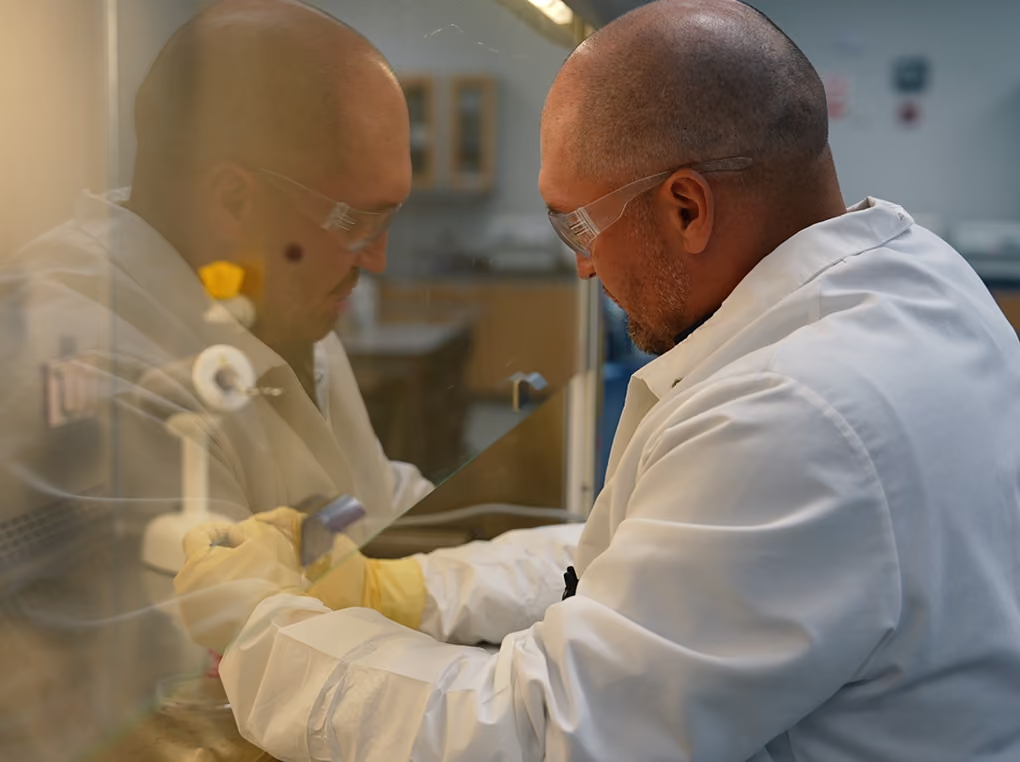
Renuva is developed by MTF Biologics, a global nonprofit organization. Each unit is single-donor sourced and processed to rigorous safety standards, supported by 39+ years of work in tissue donation and tissue science.⁵

39+

years of MTF Biologics tissue-bank expertise

14+

peer-reviewed publications on Renuva

8+

ongoing studies at leading academic institutions on Renuva

12M+

grafts distributed by MTF Biologics across orthopedics, reconstructive, and aesthetic medicine

100+

supporting studies across the broader MTF body of work

Peer-reviewed research

Renuva is supported by a body of peer-reviewed evidence across reconstructive and aesthetic applications.
Study 1

Clinical Evaluation Of An Allogeneic Adipose Matrix For Soft Tissue

Plastic and Reconstructive Surgery: Global Open · 2020
The foundational human clinical paper on Renuva. A randomized prospective study with longitudinal histologic analysis of Renuva grafted into abdominoplasty patients at 3 and 6 months, documenting performance and integration.
Read Full Study
Kokai LE, Sivak WN, Schilling BK, Karunamurthy A, Egro FM, Schusterman MA, Minteer DM, Simon P, D'Amico RA, Rubin JP. Plast Reconstr Surg Glob Open. 2020;8(1):e2574.
Study 2

Real-World Clinical Experience With An Allograft Adipose Matrix For Replacing Volume Loss In Face, Hands, And Body
Journal of Cosmetic Dermatology · 2024
A real-world case series presented by nine expert dermatologists across the United States, demonstrating use of Renuva across a range of clinical scenarios in face, hands, and body.
Read Full Study
Gold MH, et al. J Cosmet Dermatol. 2024.
Study 3

A Multicenter Pilot Study Of A Novel Allograft Adipose Matrix In Malar And Prejowl Volume Restoration

Plastic and Reconstructive Surgery: Global Open · 2024
A prospective multi-center clinical pilot evaluating the safety and benefits of Renuva specifically in malar and prejowl volume restoration.
Read Full Study
Gold MH, et al. Plast Reconstr Surg Glob Open. 2024.
Study 4

Multi-Center Pilot Study For The Correction Of Atrophic Temples
Journal of Cosmetic Dermatology · 2020
An IRB-approved multi-center pilot evaluating Renuva for the correction of atrophic temples across 10 subjects, with volume retention and global improvement assessed over 24 weeks.
Read Full Study
Gold MH, Kinney BM, Kaminer MS, Rohrich RJ, D'Amico RA. J Cosmet Dermatol. 2020;19:1044-1056.
Study 5

The Role Of A Shelf-Ready, Human-Derived, Soft Tissue Injectable Adipose Matrix For Facial Volume Correction
Journal of Cosmetic Dermatology · 2020
A prospective multi-center pilot evaluating Renuva in facial volume restoration in eleven women with midface volume deficit, followed up for 24 weeks with clinical scales and 3D quantitative facial photography.
Read Full Study
Gold MH, Andriessen A, Day D, Dayan SH, Fabi SG, Goldberg DJ, et al. J Cosmet Dermatol. 2020;19:2476-2483.
Study 6

Evidence For 8-Year Longevity Of Soft Tissue Augmentation
Dermatologic Surgery · 2024
A single-patient case study documenting evidence of soft tissue augmentation persisting up to 8 years after allograft adipose matrix treatment.
Read Full Study
Gold MH, Numani AS, Dasgupta A, Wyles SP. Dermatol Surg. 2024;50(11S):S177-S179.
Study 7

Injectable Allograft Adipose Matrix Supports Adipogenic Tissue Remodeling In The Nude Mouse And Human
Plastic and Reconstructive Surgery · 2019
Peer-reviewed evaluation of Renuva's ability to support adipogenic tissue remodeling, with sustained volume retention demonstrated post-injection in human dorsal wrist tissue.
Read Full Study
Kokai LE, Schilling BK, Chnari E, et al. Plast Reconstr Surg. 2019;143:299e-309e.
Study 8

Preclinical Optimization Of A Shelf-Ready, Injectable, Human-Derived, Decellularized Allograft Adipose Matrix

Tissue Engineering Part A · 2019
Preclinical work characterizing how the allograft adipose matrix supports an adipogenic microenvironment and contributes to tissue preparation before or alongside autologous adipose grafting.
Read Full Study
Giatsidis G, Succar J, Haddad A, et al. Tissue Eng Part A. 2019;25:271-287.
Study 9

Early Clinical Experience With The Use Of A New Allograft Adipose Matrix For Foot Fat Pad Restoration
Journal of the American Podiatric Medical Association · 2023
Early clinical experience using Renuva for foot fat pad restoration, with patient follow-up ranging from 3 to 20 months.
Read Full Study
J Am Podiatr Med Assoc. 2023;113(3).
Study 10

Tissue Augmentation With Allograft Adipose Matrix For The Diabetic Foot In Remission

Plastic and Reconstructive Surgery: Global Open · 2017
Documents use of Renuva in the high-risk diabetic foot, suggesting potential to reduce tissue stress around post-ulcerative lesions and pressure points.
Read Full Study
Shahin TB, Vaishnav KV, Watchman M, et al. Plast Reconstr Surg Glob Open. 2017;5:e1555.

Get the clinical guide to Renuva

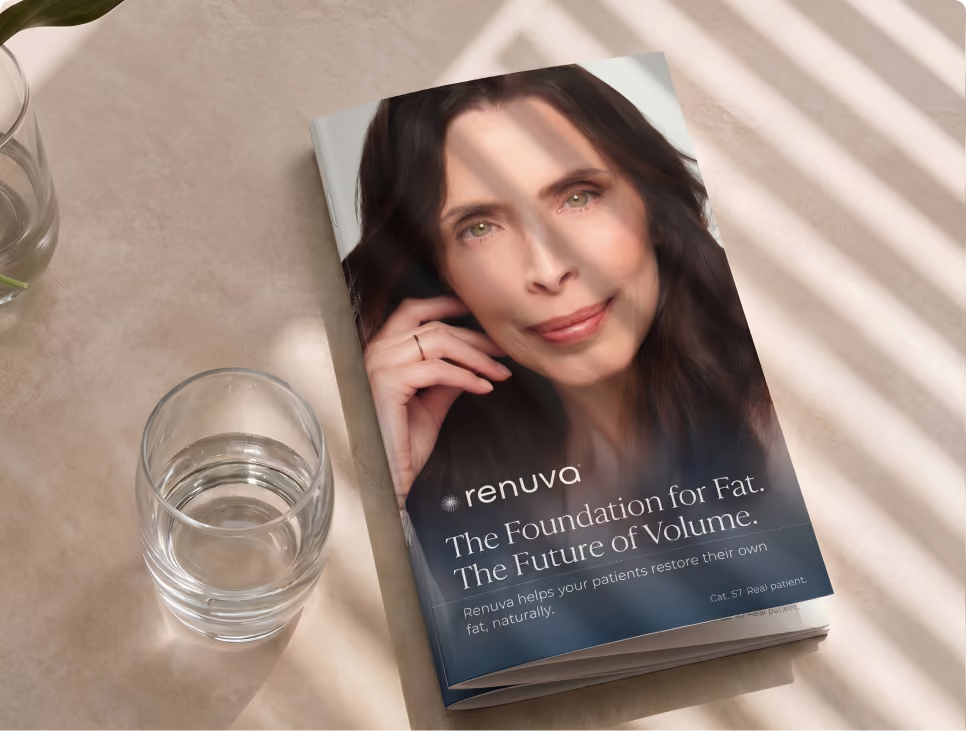
The provider brochure covers ECM composition, tissue remodeling, precision placement, and outcomes across face, neck, hands, and body.
Download Brochure

Frequently asked questions

What treatment areas is Renuva used in?

Renuva can be used anywhere fat naturally exists in the body and has been documented across multiple anatomical sites including the face, neck, hands, and body, with peer-reviewed evidence in delicate facial areas including the temples.¹˒⁶

How is the donor tissue processed for safety?

Renuva is processed by MTF Biologics, a global nonprofit organization, with 39+ years of work in tissue donation and processing. Each unit is single-donor sourced and undergoes a validated aseptic process to remove lipids, cells, and DNA.¹

How long do results last?

Once Renuva has been gradually replaced by the patient's own fat tissue (typically over 3 to 6 months), the restored volume behaves like the patient's natural fat. A 2024 single-patient case study demonstrated evidence of soft tissue augmentation persisting up to 8 years.⁴

Why does Renuva typically take 3 to 6 months to show full results?

Renuva works by giving the body a scaffold to remodel fat tissue. Tissue formation happens in stages: new fat tissue begins forming at the matrix's edges within weeks, continues throughout the matrix over several months, and gradually replaces the scaffold on a predictable timeline.¹

How does Renuva differ from a fat transfer?

Both restore volume using adipose tissue, but they take different clinical approaches. Fat transfer uses live fat cells harvested from the patient. Renuva is an off-the-shelf adipose allograft of 100% extracellular matrix that the body gradually replaces with the patient's own fat typically over 3 to 6 months.¹


Considering Renuva for your practice?

Connect with our success team or request to become a Renuva provider.
John, 54. Real patient.